Womansplaining

Education, designed for connection.

Education that does the explaining — so you don’t have to.
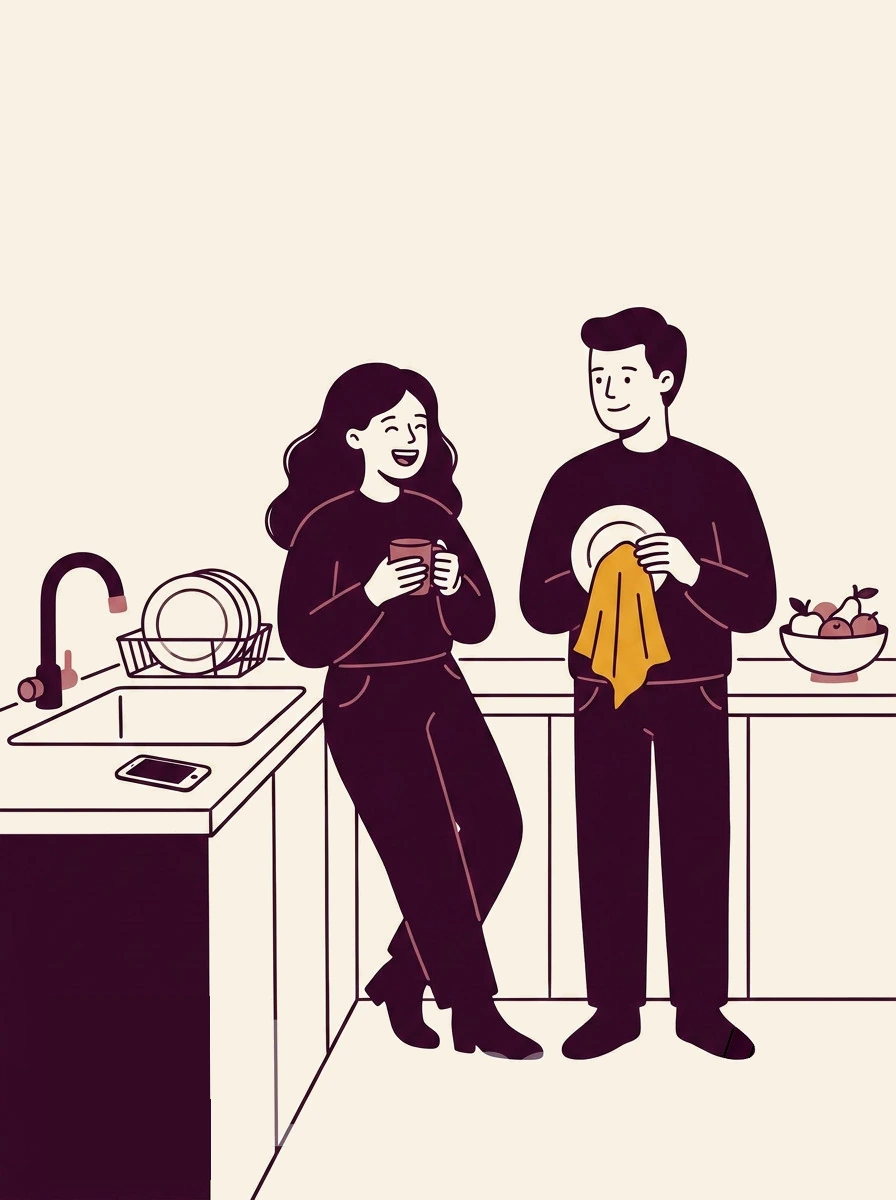
A line drawing of two people in a kitchen: she leans against the counter with a mug, he dries a plate with a yellow towel. They are talking.

Mar 2021

“It isn’t the dishes. It’s that I’m the one who has to remember the dishes.”

I explained it again.

Sep 2022

“It isn’t the dishes. It’s that I’m the one who has to remember the dishes.”

I explained it again.

Feb 2023

“It isn’t the dishes. It’s that I’m the one who has to remember the dishes.”

I explained it again.

Nov 2023

“It isn’t the dishes. It’s that I’m the one who has to remember the dishes.”

I explained it again.

Jun 2024

“It isn’t the dishes. It’s that I’m the one who has to remember the dishes.”

I explained it again.

Tonight

“It isn’t the dishes. It’s that I’m the one who has to remember the dishes.”

Tonight I’m sending it instead.

Stop being the teacher.
Most of us got fragments of this. Womansplaining turns the fragments into the whole picture and gives you the words for it. Then it explains the rest to your partner, so you don’t have to again.

See what’s underneath it ↓

Ten sentences below. Your first two are free. No account, no email.
Pick the one you’ve said out loud

Ten sentences, and what they actually mean.

Tap one to open it. Your first two are free — no email, no account.

Translator

No account · Free

What’s actually going on

It is not fine. It means: I have asked before, it did not stick, and asking again costs me more than doing it myself. The task is small. Being the only one tracking it is not.

Send this instead of explaining

The lesson on ownership. The difference between doing a task and owning it — holding the noticing and the remembering, not the work at the end.

Why this happens

Asking repeatedly with no change costs more than silence. So the asking stops.

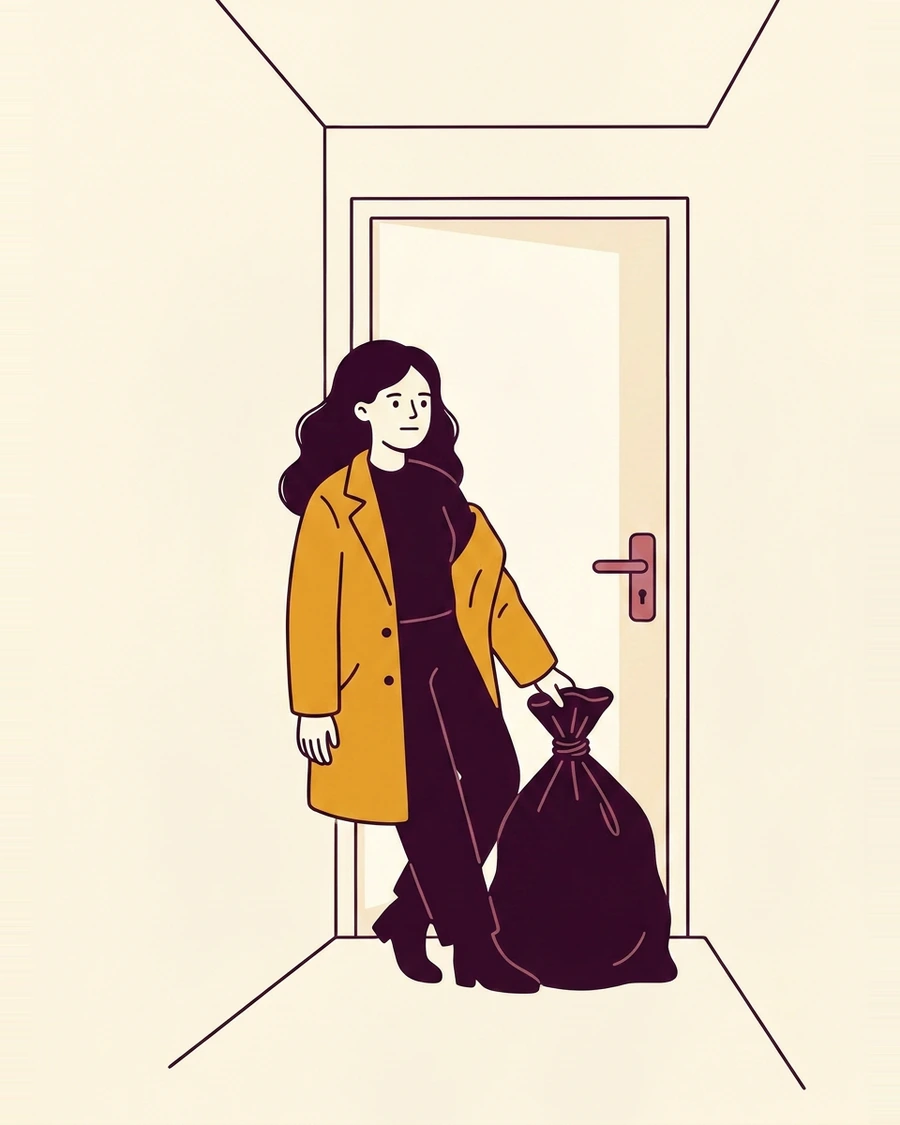
A woman carrying a bag of trash out through the front door, on her own.
What’s actually going on

The asking is the work. Being the person who assigns, reminds and checks is a second job, invisible precisely because it produces nothing anyone can point at.

Send this instead of explaining

The lesson on cognitive labor. Why a fairly split chore list can still leave one person exhausted.

Why this happens

Cognitive household labor, the planning and the remembering, is split far more unevenly than the visible tasks are.

Source: Univ. of Bath & Univ. of Melbourne, Journal of Marriage & Family, 2024

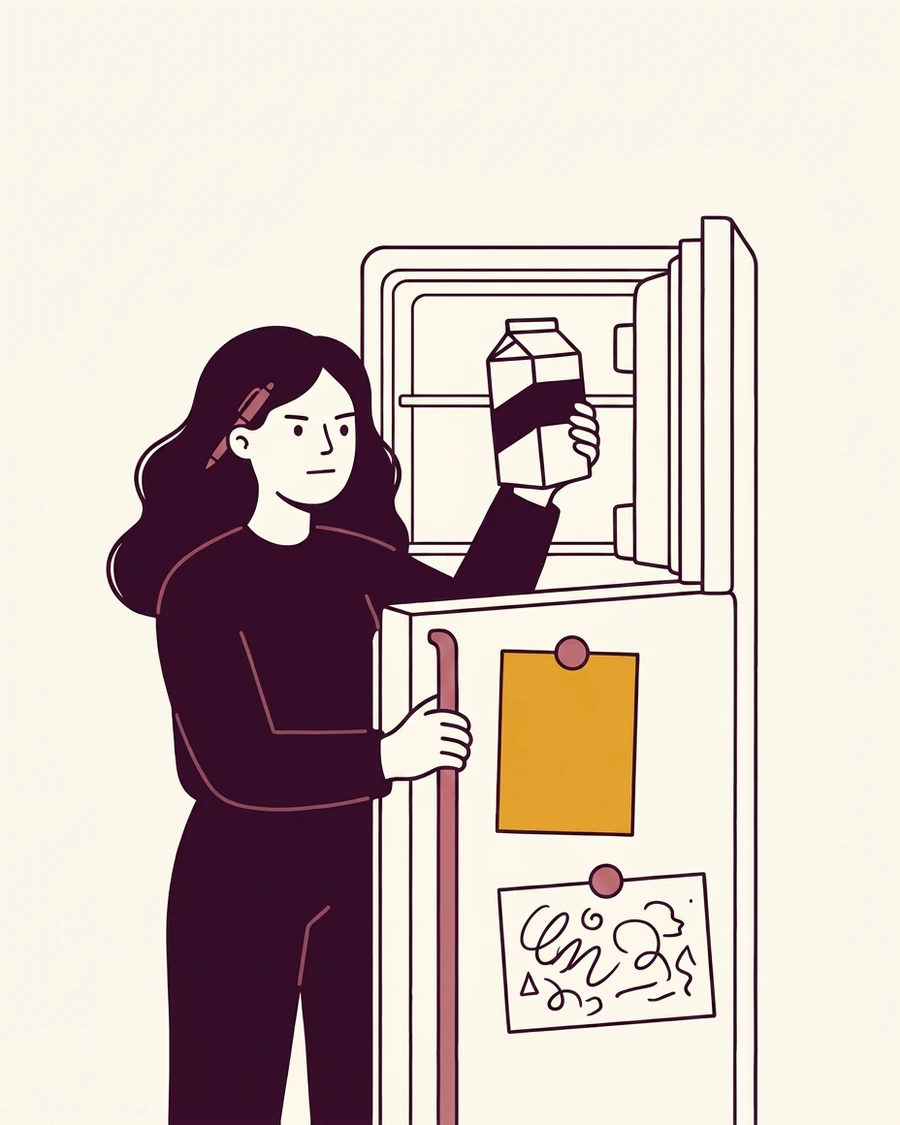
A woman checking the fridge shelf against a list nobody else keeps.
What’s actually going on

Because remembering was never assigned — it was assumed. Nobody agreed you would hold the household calendar in your head. It arrived by default and stayed.

Send this instead of explaining

The lesson on default assignment. How the household’s memory ends up in one person, and how to hand a piece of it over for good.

Why this happens

Mothers handle 71% of household mental-load tasks against fathers’ 45% — and fathers are more likely to believe the load is shared equally.

Source: Univ. of Bath & Univ. of Melbourne, Journal of Marriage & Family, 2024

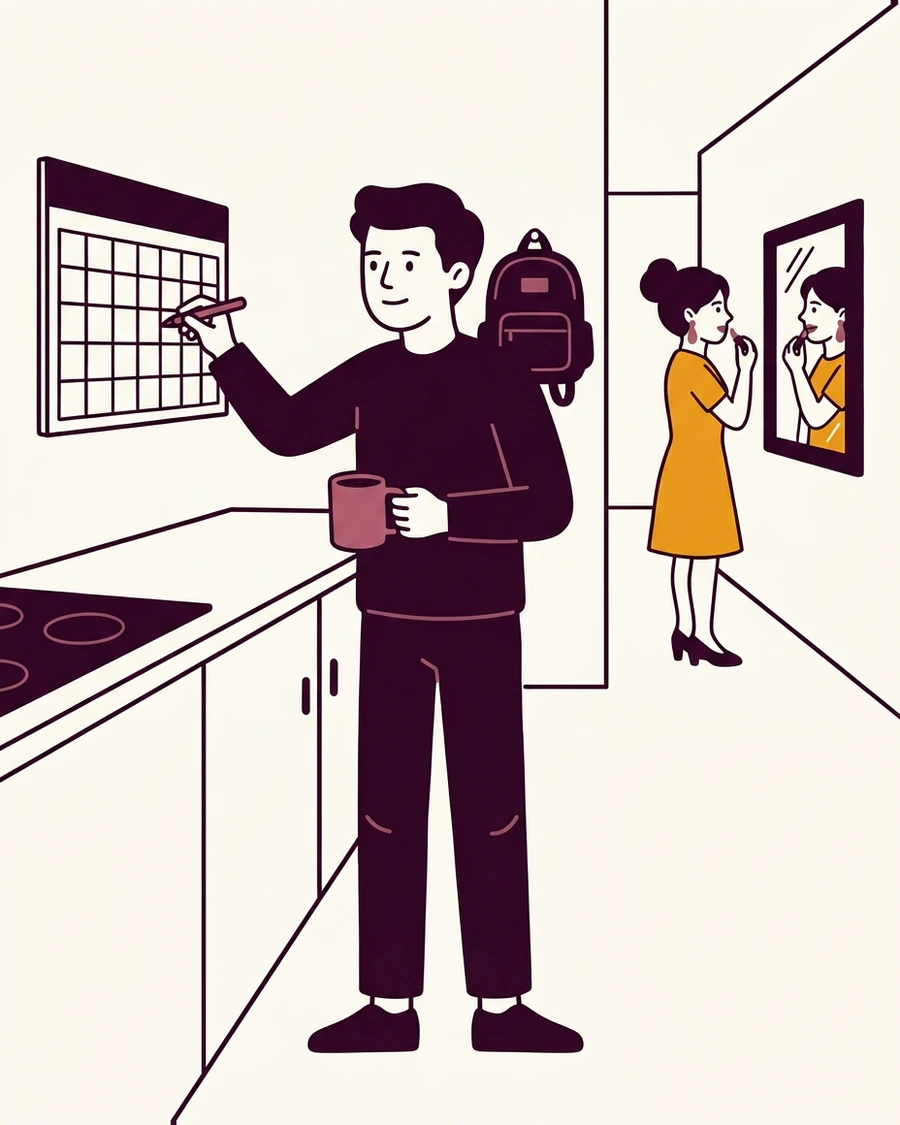
A calendar covered in one person's handwriting.
What’s actually going on

Two words that mean different things in different weeks. In the weeks before a period, mood swings, irritability, tiredness, poor sleep and appetite changes are all common — the NHS lists every one of them. The same small annoyance genuinely lands harder, and being told you’re overreacting is its own separate injury.

Send this instead of explaining

The lesson on the weeks before. What actually changes, so it can be planned around instead of argued about.

Why this happens

PMS is the name for the symptoms many people get in the weeks before a period. Tiredness, irritability and mood swings are among the most common.

Source: NHS — Premenstrual syndrome (PMS)

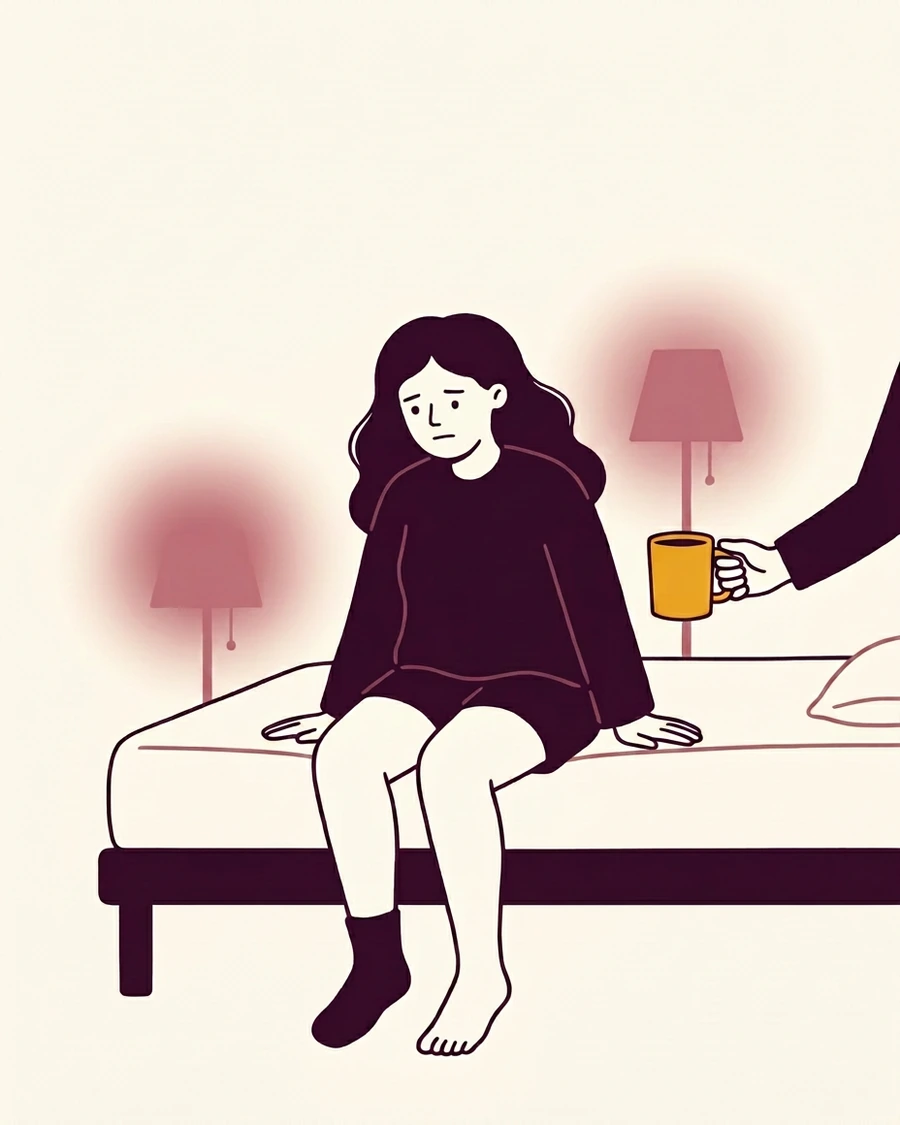
A woman sitting on the edge of a bed, one hand on her stomach.
What’s actually going on

Sometimes literal exhaustion. But heavy periods are one of the most common causes of iron deficiency anaemia, and that produces exactly this — tiredness, no energy, breathless on the stairs. It is easy to live alongside for years without anyone joining the two things up.

Send this instead of explaining

The lesson on iron. Why this gets normalised for so long, and the blood test worth asking for.

Why this happens

Heavy periods and pregnancy are very common causes of iron deficiency anaemia, whose main symptoms are tiredness and lack of energy.

Source: NHS — Iron deficiency anaemia

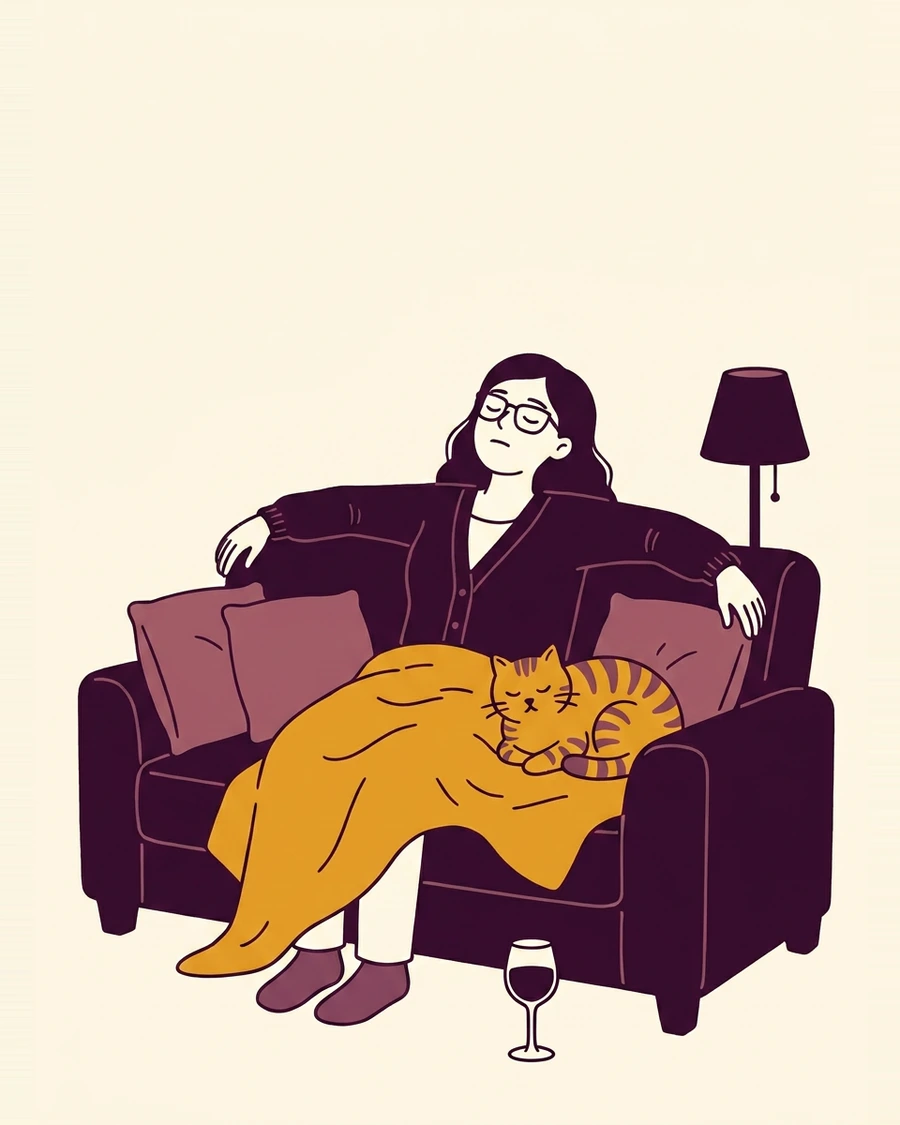
A woman asleep upright in a chair, mug going cold beside her.
What’s actually going on

Not about him, and usually not about desire. Being touched all day and carrying the household’s running list draw on the same finite thing. And for a lot of people desire doesn’t arrive first — it arrives after closeness, not before it.

Send this instead of explaining

The lesson on responsive desire. Why wanting-after is a normal pattern rather than a fault, and what makes room for it.

Why this happens

Basson’s model of female sexual response describes desire that is responsive — arising after intimacy and arousal rather than spontaneously before them.

Source: Basson, Journal of Sex & Marital Therapy, 2000

Two people on a sofa, a small space left between them.
What’s actually going on

You are not counting to win. You are showing evidence, because the first two times left no trace and you are tired of being told it isn’t that bad.

Send this instead of explaining

The lesson on the evidence problem. Why one partner keeps a ledger and the other genuinely does not remember.

Why this happens

Parents tend to overestimate their own contribution, fathers more than mothers — which is why the same week gets remembered two different ways.

Source: Univ. of Bath & Univ. of Melbourne, Journal of Marriage & Family, 2024

A woman standing at a doorway, looking at something still undone.
What’s actually going on

Not permission. It is the sound of someone who has stopped expecting to be consulted and decided the negotiation costs more than the outcome is worth.

Send this instead of explaining

The lesson on withdrawal. How preferences go quiet, and what makes them safe to state again.

Why this happens

A preference that never changes an outcome stops being worth stating. That isn’t sulking, it’s arithmetic.

A woman turning away from a decision she has stopped being asked about.
What’s actually going on

Often true, and nothing to do with your partner. Endometriosis takes a long time to diagnose, and on the way there its symptoms get mistaken for IBS, fibroids and pelvic inflammatory disease.

Send this instead of explaining

The lesson on being believed. The two questions that move an appointment from reassurance to investigation.

Why this happens

The NHS states plainly that it can take a long time to diagnose endometriosis, and that its symptoms overlap with several other conditions.

Source: NHS — Endometriosis

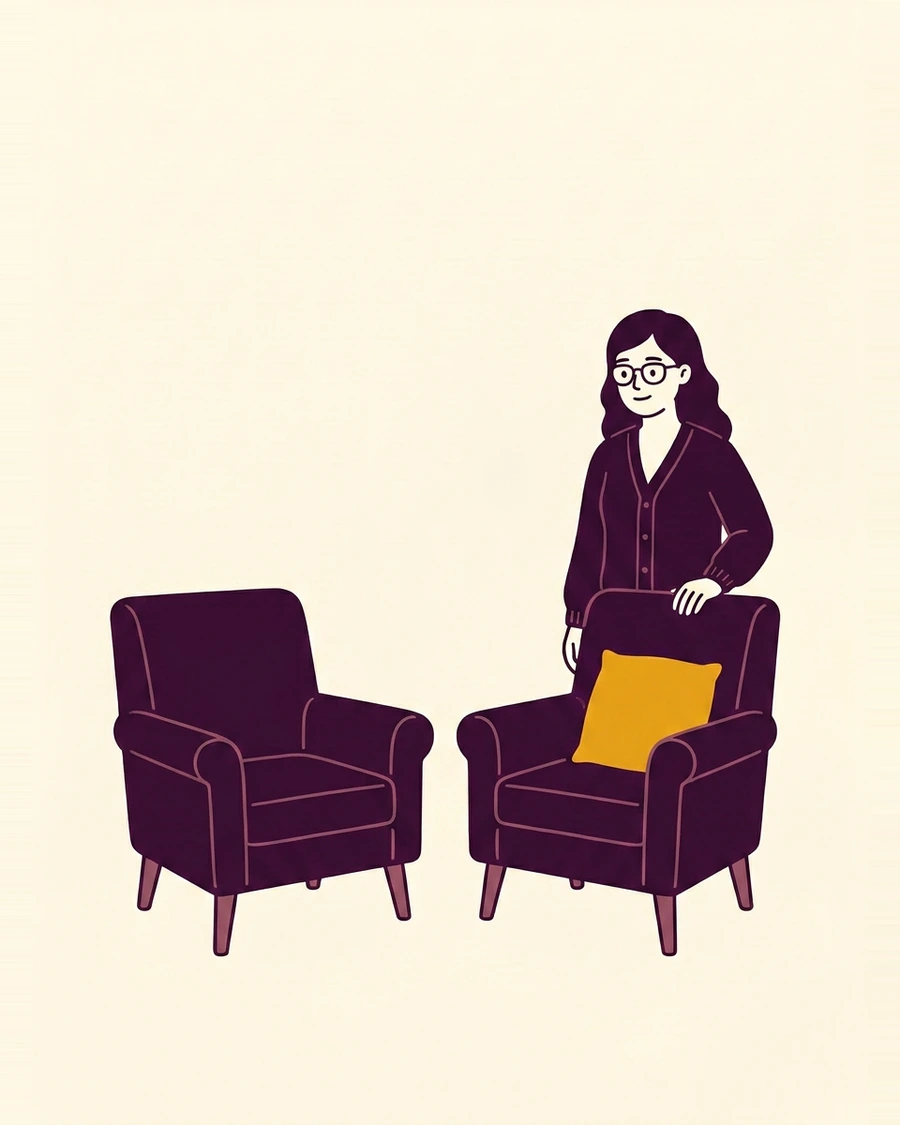
A woman alone in a waiting room, two chairs, one occupied.
What’s actually going on

Sometimes that’s right. Often it is where the investigation stopped. Women’s pain is more likely to be treated as psychological and referred on to talking therapy rather than investigated further — that is documented, not a feeling.

Send this instead of explaining

The lesson on the one question. “What would we be looking for if it isn’t stress?” — and why it reopens the conversation.

Why this happens

The IASP reports that women’s pain is “more psychologized, mistrusted and judged as unreliable”, with more referrals to psychological treatment and less effective pain relief.

Source: International Association for the Study of Pain, fact sheet, 2024

A woman across a desk from a doctor who is already writing.

What the research shows

There’s a name for it, and a number attached.

The mental load, measured

Hours a week on housework

Women 18.9

Men 16.1

Two hours and forty-eight minutes apart. That is the part that gets counted — the doing, not the remembering.

The same research found fathers overestimate their share. That is why the conversation goes nowhere: it isn’t about what’s fair, it’s about what’s there.

Mental load: Univ. of Bath / Journal of Marriage & Family, 2024 · Hours: US Bureau of Labor Statistics, ATUS 2024

The job you’re actually doing

“Take the trash out.”

1Notice the trash is full
2Know which one goes out this week
3Remember it’s tonight, not tomorrow
4Carry it outside
5Put a new bag in
6Notice we’re nearly out of bags
7Get trash bags onto the grocery list

Step four is the one that gets seen. The other six are the job — and they don’t stop when you’re at work, asleep, or on vacation.

What actually changes

Three months from now.

You have the words.

Language for the things you’ve felt for years and never been able to name, with the research behind them. You got fragments too. This is the rest of it.

You explain it once.

To the app, not to him. It says the thing better than you have the energy to at eleven at night, and it says it again in six months without you.

You’re not the only one.

None of this is unusual, and almost none of it is your personality. Knowing that is its own kind of relief.

How it works

Three steps.

Tell it what keeps happening.

In your own words, once. What you write is never shown to your partner — only the lessons it produced.

Send one lesson.

It opens in his browser in seconds. No account, no download, no “homework from our argument”.

Keep your own path too.

A daily lesson on your own biology and the systems around you. That part works even if he never opens a single lesson.

Where we stand

Where we stand.

Not

Ammunition. Every lesson is made so it can be taken in without feeling accused.

Not

Therapy. Education, built from published research and reporting, every source listed.

Not

Medical advice. Not now, not later, not in any lesson.

Never

Sold or shared. Your email and anything you write stay with us.

Early access

Womansplaining is being built now.

We’re making the first two modules and testing them with real couples. Leave your email and you’ll hear once — when there’s something to actually use.

Does he have to download anything?

No. A lesson you send opens as a web page on whatever device he already has, without an account.

What is a lesson, exactly?

Short and self-contained, and it ends in one thing he can do. We’re still testing what works best — some things land better as something you read, others as something you watch or answer. Early-access members help decide.

Is it going to land as an attack?

It’s made not to. No lesson says he failed, and none of them mention you — they explain how something works and end with one thing to do.

Will he see what I wrote about us?

No. What you write shapes which lessons get suggested and never leaves your side of the app.

What if he just doesn’t open it?

Then you won’t be told. The app only ever shows you effort, never absence — nothing that becomes the next argument.

What will it cost?

We haven’t set a price. Early-access members get told first and get the launch rate.